Things to see and do in and around Beijing, China before, during and after IRG57
Beijing is an international metropolis where tradition and modernity blend seamlessly. Whether it's its rich historical and cultural heritage, stunning natural landscapes, or vibrant contemporary art and technological experiences, your conference journey here promises to be truly enriching.
Historical and Cultural Attractions
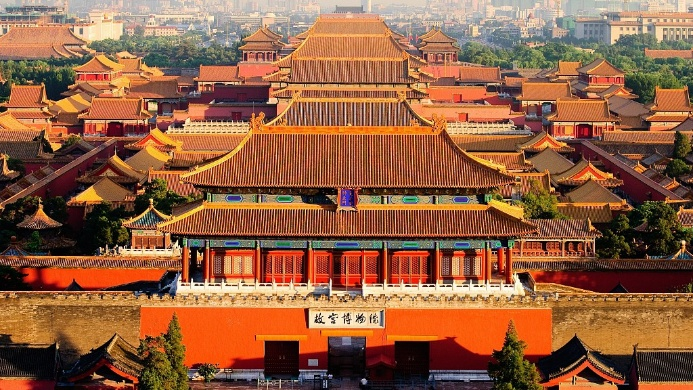
The Palace Museum (Forbidden City)
The world's largest and best-preserved complex of ancient wooden structures, it served as the imperial palace for 24 emperors of the Ming and Qing dynasties. Covering an area of 720,000 square meters, it features over seventy palaces of varying sizes and more than 9,000 rooms. Key attractions include the Outer Court's Hall of Supreme Harmony, Hall of Central Harmony, and Hall of Preserving Harmony, as well as the Inner Court's Qianqing Palace, Hall of Union, Kunning Palace, and the Six Eastern and Western Palaces. Allow at least half a day to explore along the central axis before venturing into the Six Eastern and Western Palaces and the Imperial Garden.
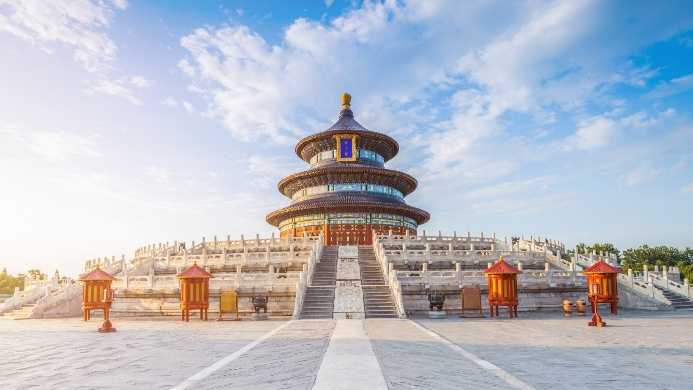
Temple of Heaven Park
The site where emperors of the Ming and Qing dynasties performed rituals to worship heaven, pray for harvests, and invoke rain, it stands as China's largest surviving ancient sacrificial complex. The Hall of Prayer for Good Harvests, the Imperial Vault of Heaven, and the Circular Mound Altar within the park exemplify the pinnacle of ancient Chinese architecture, embodying the philosophical concept of “heaven is round and earth is square.” At dawn, local residents often gather here to exercise, play chess, and sing, offering visitors a glimpse into authentic Beijing life.
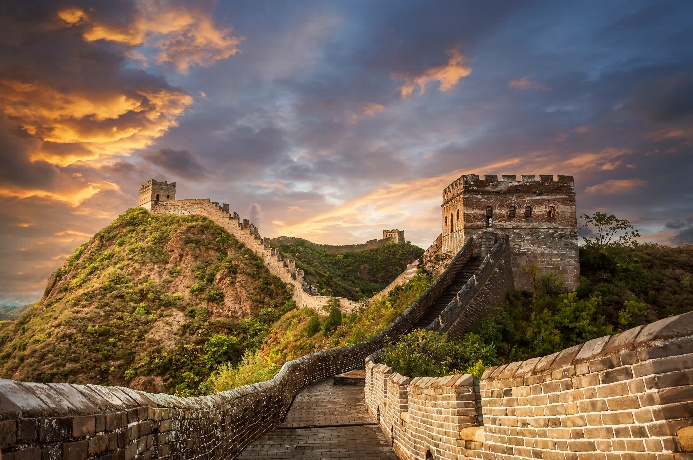
The Great Wall (Badaling/Mutyanyu Sections)
The Badaling section of the Great Wall is the best-preserved and most iconic part, featuring well-developed facilities suitable for all types of visitors. The Mutyanyu section is relatively less crowded, offering stunning scenery and attracting many foreign tourists, with autumn views being particularly spectacular. It is recommended to visit on weekdays to avoid crowds, wear comfortable sneakers, and bring plenty of water.
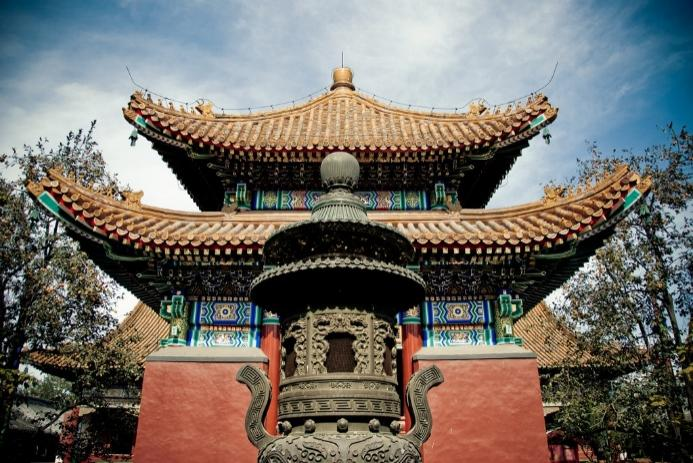
Yonghe Temple
One of Beijing's largest Tibetan Buddhist monasteries, founded in 1694, it served as the residence of Emperor Yongzheng before his ascension to the throne. Its architectural style blends Han, Manchu, Mongolian, and Tibetan ethnic elements. The temple houses an 18-meter-tall statue of Maitreya Buddha, carved from a single piece of white sandalwood. A place of vibrant religious activity, it remains a significant site for experiencing Buddhist culture and architectural artistry.
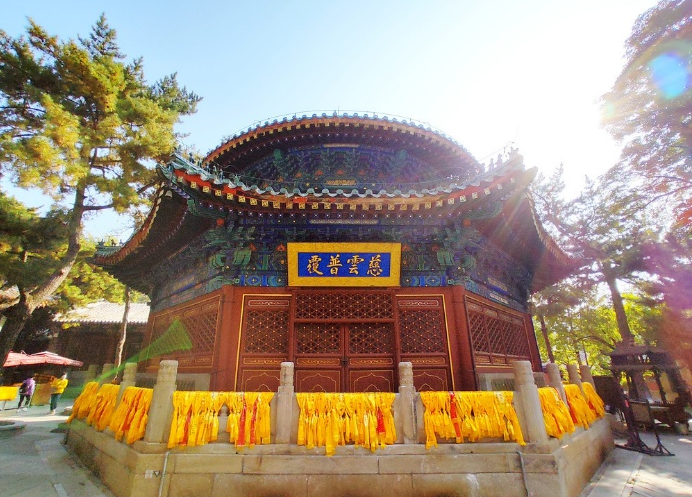
Tan Zhe Temple & Jie Tai Temple
Two renowned ancient temples located in Mentougou District, west of Beijing. Tan Zhe Temple stands as one of Beijing's oldest Buddhist monasteries, famously described as “Tan Zhe Temple came first, then Beijing City.” Its serene surroundings feature towering ancient trees. Jietai Temple is renowned for housing China's largest Buddhist precept platform. Its grounds feature several ancient pines with unique forms, such as the “Reclining Dragon Pine” and the “Moving Pine.” Surrounding the temple are gentle walking paths perfect for leisurely strolls.
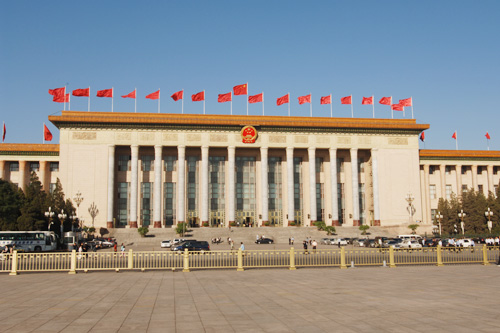
The Great Hall of the People
Located on the west side of Tiananmen Square, it serves not only as a venue for important national meetings but also as a landmark building open to the public. The majestic structure houses the Grand Hall of the People, banquet halls, and regional halls showcasing architectural styles and artistic features from across China, making it a vital window into the nation's political and cultural landscape.
Natural and Ecological Attractions
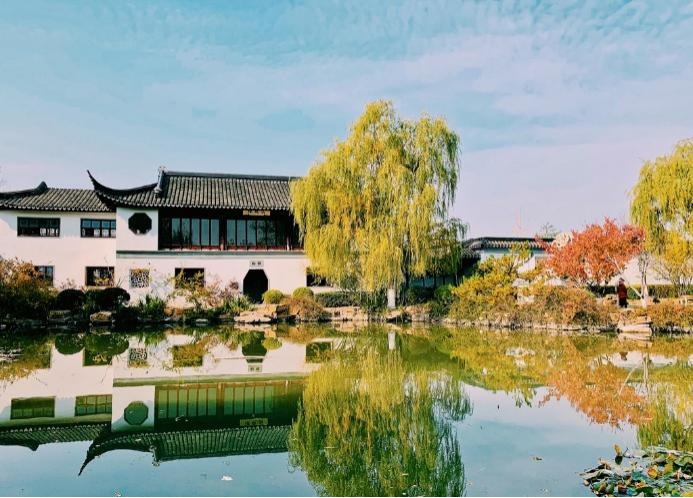
Beijing Garden Expo Park
Located in Fengtai District, this super-sized urban park served as the site of the 2013 China International Garden Expo. Spanning 267 hectares, the park integrates traditional gardens, modern landscape design, and ecological technologies. It features exhibition zones showcasing regional Chinese gardens, an international exhibition area, and a large wetland park, making it an ideal destination for appreciating garden artistry and enjoying natural scenery.
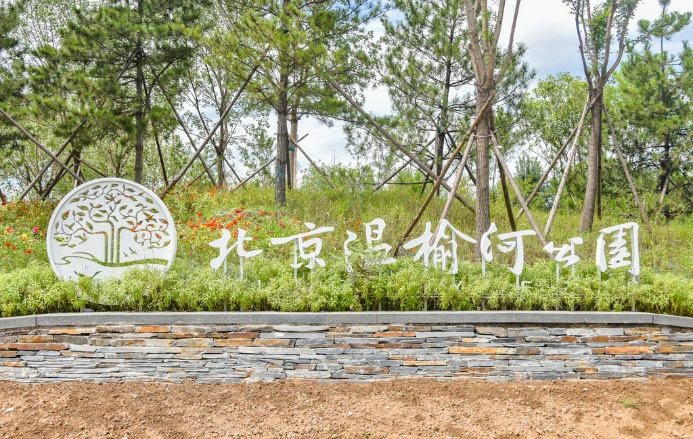
Wenyu River Park
Beijing's largest planned “green lung” spans Chaoyang, Shunyi, and Changping districts. Featuring an advanced design concept, the park integrates ecological, recreational, and cultural functions. In late May, the park—particularly the Shunyi section—may showcase blooming rapeseed fields or lupine flower seas. It frequently hosts lifestyle festivals or agricultural culture-themed events, making it an ideal destination for connecting with nature.
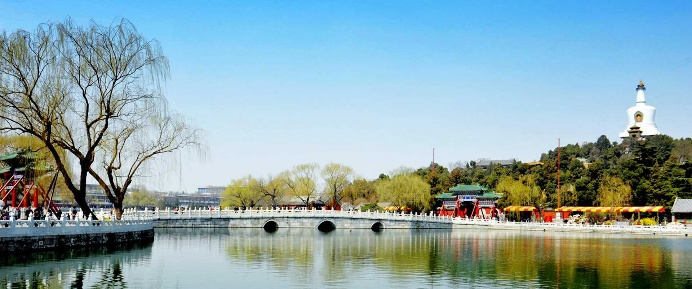
Beihai Park
China's oldest extant imperial garden, boasting nearly a millennium of history and remarkable preservation. Centered around Qionghua Island and crowned by the iconic White Pagoda, the park features expansive lakes dotted with gracefully arranged pavilions and towers. Visitors can enjoy boating on the lake, taking in the classical garden scenery while experiencing the serene elegance of imperial landscapes.
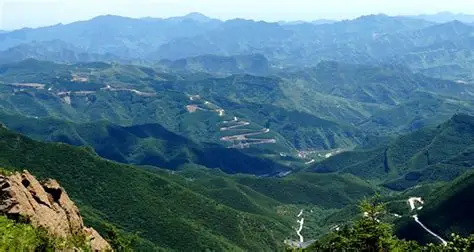
Baihua Mountain Natural Scenic Area
One of Beijing's largest nature reserves for higher plants and rare wildlife, boasting an exceptional ecological environment. Its main peak rises to 1,991 meters above sea level, featuring steep slopes and dense vegetation. Wildflowers carpet the slopes in spring and summer, while autumn transforms the mountainsides into a sea of crimson foliage, making it an ideal destination for hiking enthusiasts and nature photographers.
Modern Art and Technology Attractions
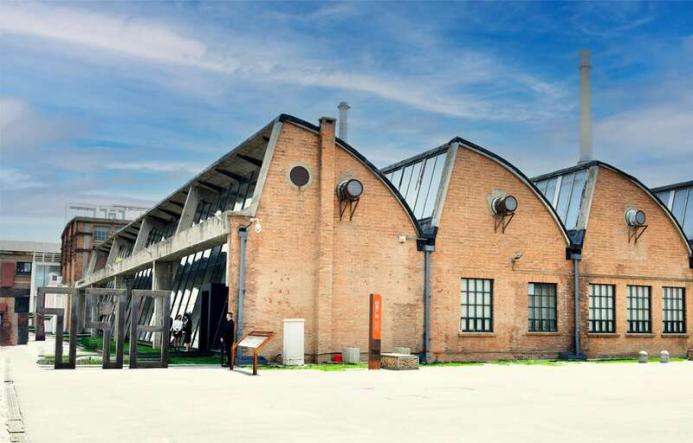
798 Art District
Transformed from the former state-owned 798 Factory and other historic electronics industrial sites, this modern art district has become a vital showcase for contemporary Chinese art. The area hosts numerous galleries, art centers, artist studios, design firms, fashion boutiques, and dining establishments. Its architecture retains the distinctive Bauhaus-style industrial factory buildings, regularly hosting diverse art exhibitions, launch events, and cultural activities.
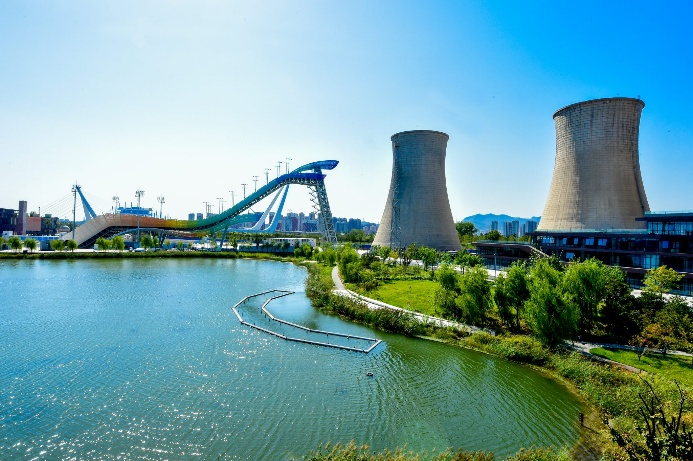
Shougang Park
This industrial heritage renewal project, transformed from the old Shougang factory site, blends steel industry relics with modern cultural and technological elements. The park preserves industrial facilities such as blast furnaces and cooling towers while incorporating Winter Olympics venues, office spaces, and commercial facilities, serving as a model for industrial tourism and urban renewal.
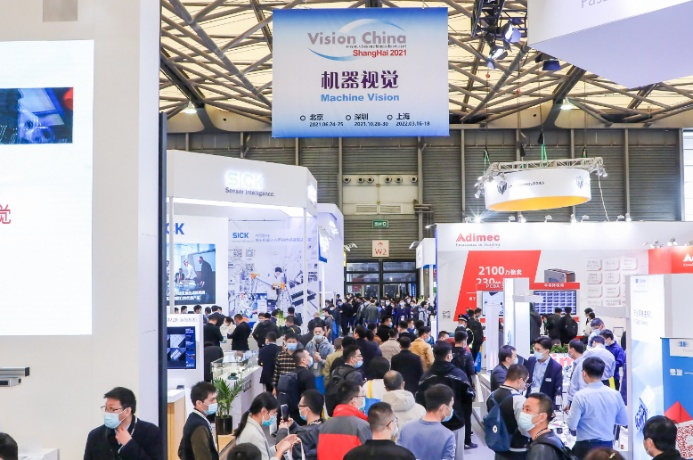
Machine Vision and Industrial Applications Expo
If you're interested in technology, this is an excellent opportunity to explore cutting-edge industrial technologies and applications. The expo will showcase the latest machine vision technologies, artificial intelligence applications, and industrial automation solutions, serving as a networking platform for tech enthusiasts and industry professionals.
Immersive Experiential Activities
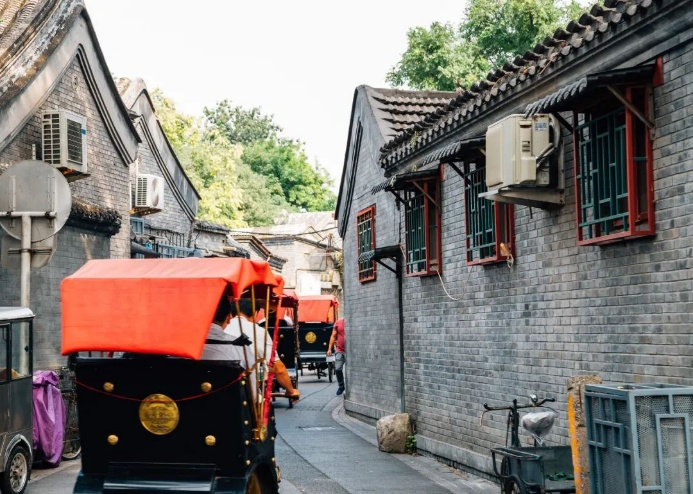
Hutong Tours
Exploring Beijing's traditional alleyways offers the best way to experience the city's authentic local culture. Choose to stroll on foot or ride in a rickshaw through the hutongs surrounding Nanluoguxiang and Shichahai. Visit traditional courtyard houses and immerse yourself in the vibrant atmosphere and historical evolution of Beijing's hutongs.
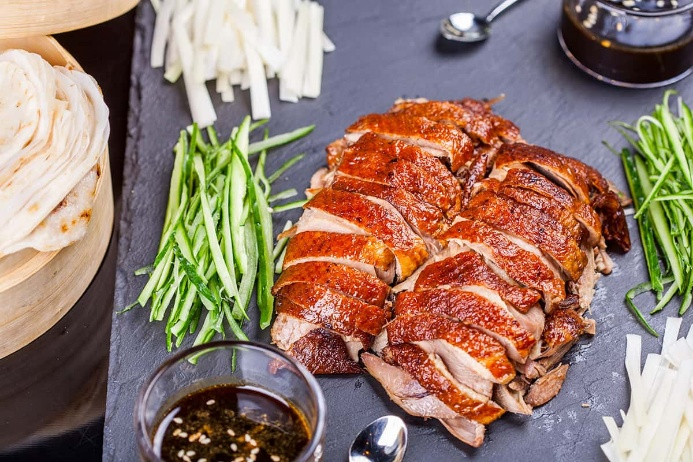
Peking Duck Making Experience
More than just tasting, you can participate in the duck preparation process. Some restaurants offer Peking duck making classes where you learn how to carve the duck, make thin pancakes, and prepare dipping sauces, gaining deep insight into the culinary techniques and cultural significance behind this iconic Beijing dish.
Appreciating Peking Opera Performances
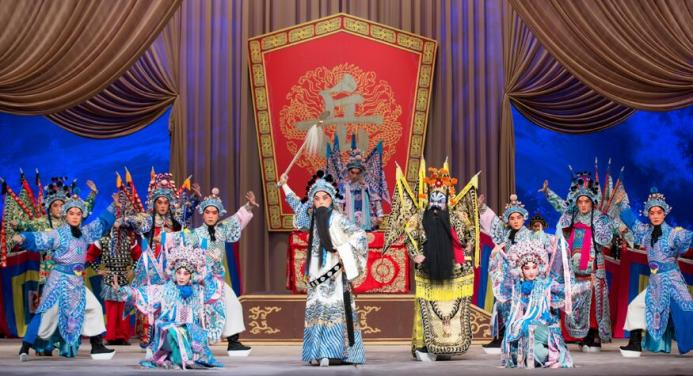
Peking Opera is China's quintessential art form, and Beijing offers opportunities to experience authentic performances. Beyond professional productions in large theaters, visitors can also explore historic venues like the Huguang Guild Hall and Zhengyi Temple Opera House to immerse themselves in a more traditional theatrical atmosphere.
Traditional Handicraft Workshops
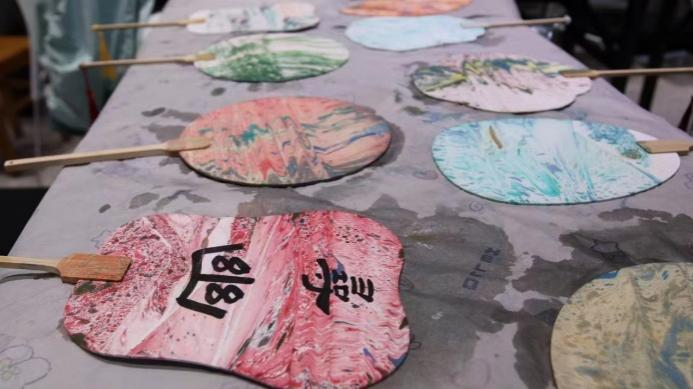
Participate in workshops featuring traditional crafts like kite-making, paper-cutting, and dough figurine sculpting to create unique Beijing-themed souvenirs. These activities not only let you experience the charm of Chinese traditional crafts but also allow you to bring home one-of-a-kind travel mementos.