IRG58 Local Organising Committee
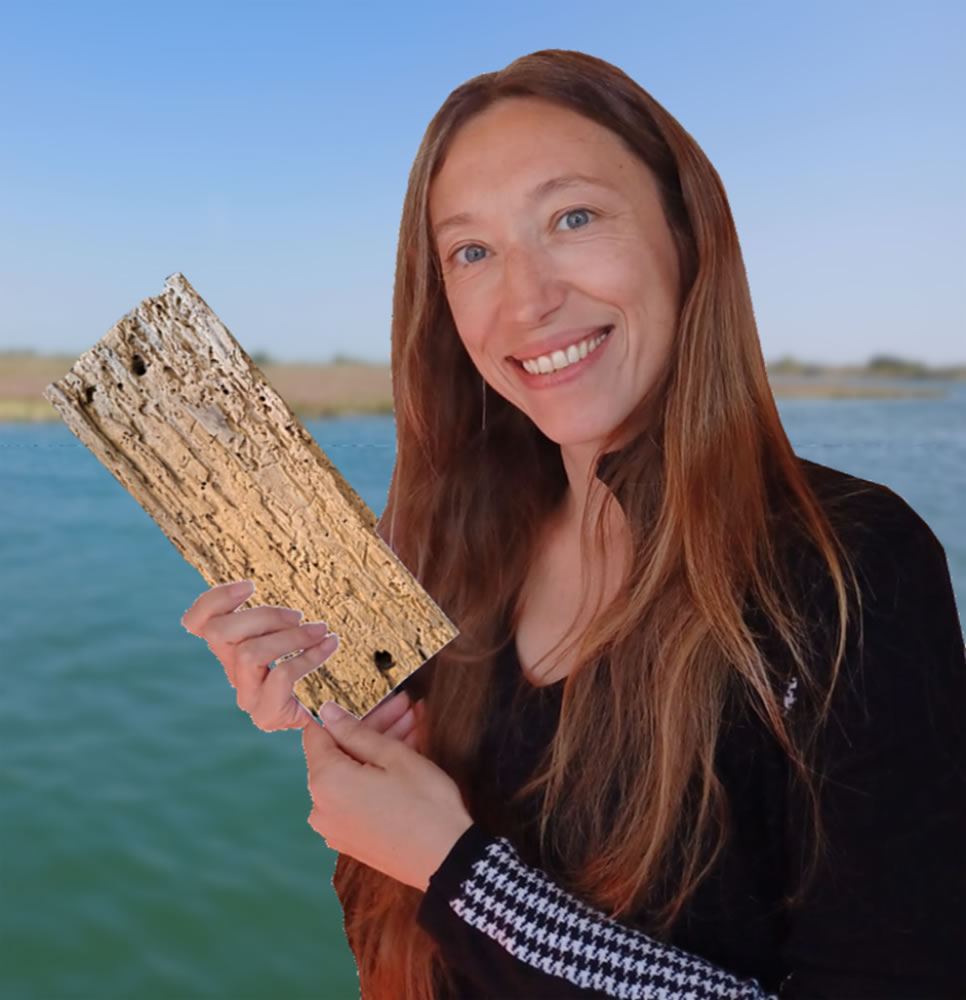
Irene Guarneri- Chair
Irene is a biologist whose field of study focuses on the ecology of coastal transitional ecosystems, such as lagoons and estuaries, mainly through the study of benthic organisms.
These biotic compartments form the basis of her research on environmental quality using biomonitoring techniques. Her research also addresses topics such as alien species, bioconstructor and biodegrader species, oyster reef evaluation, and wood bioerosion caused by peracarids and shipworms, with particular regard to the protection of wood through innovative techniques aimed at increasing its durability against biodegradation.
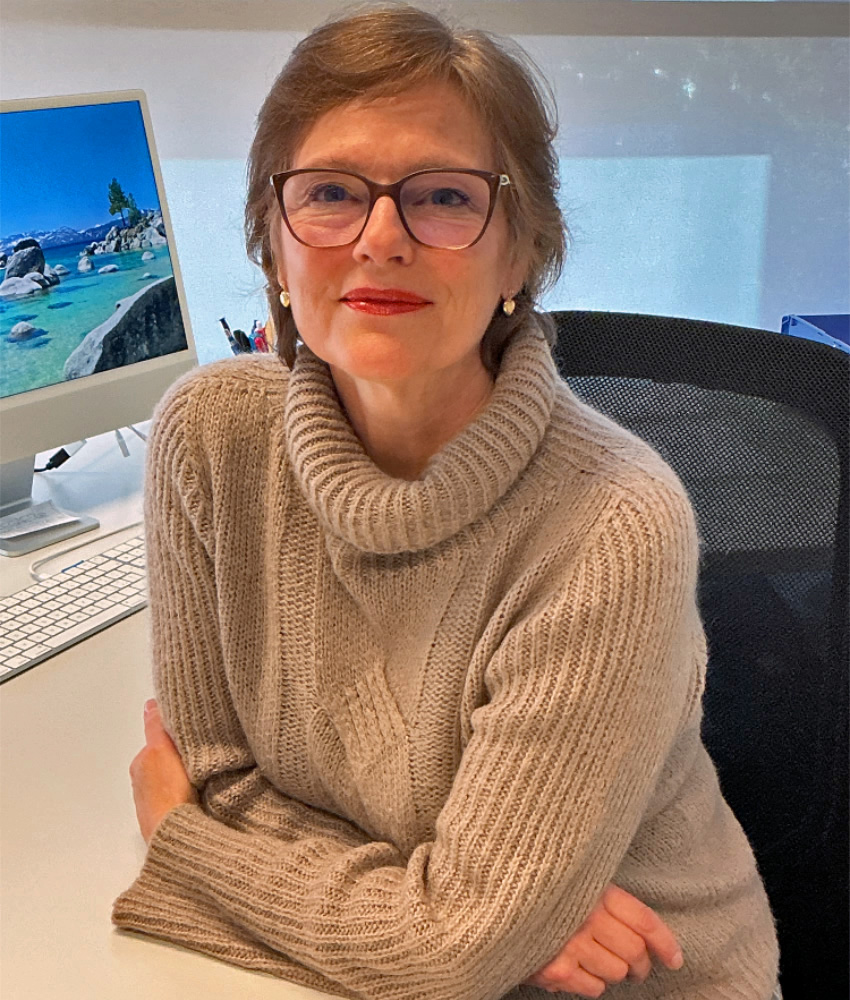
Elena Conti - Finance Chair
Elena Conti is a biologist with a background in biotechnology. Her early work focused on enhancing biopolymer production through genetic modification of microorganisms and fermentation technologies. Since 2002, she has worked at CATAS, Italy's leading institute for testing and certification in the furniture and wood sectors, where she manages the laboratory that performs fungal tests to evaluate wood durability and the effectiveness of protective treatments. She now heads the Surface Testing and Biological Testing departments. She serves on national and international standardization committees for wood durability and surface performance testing.
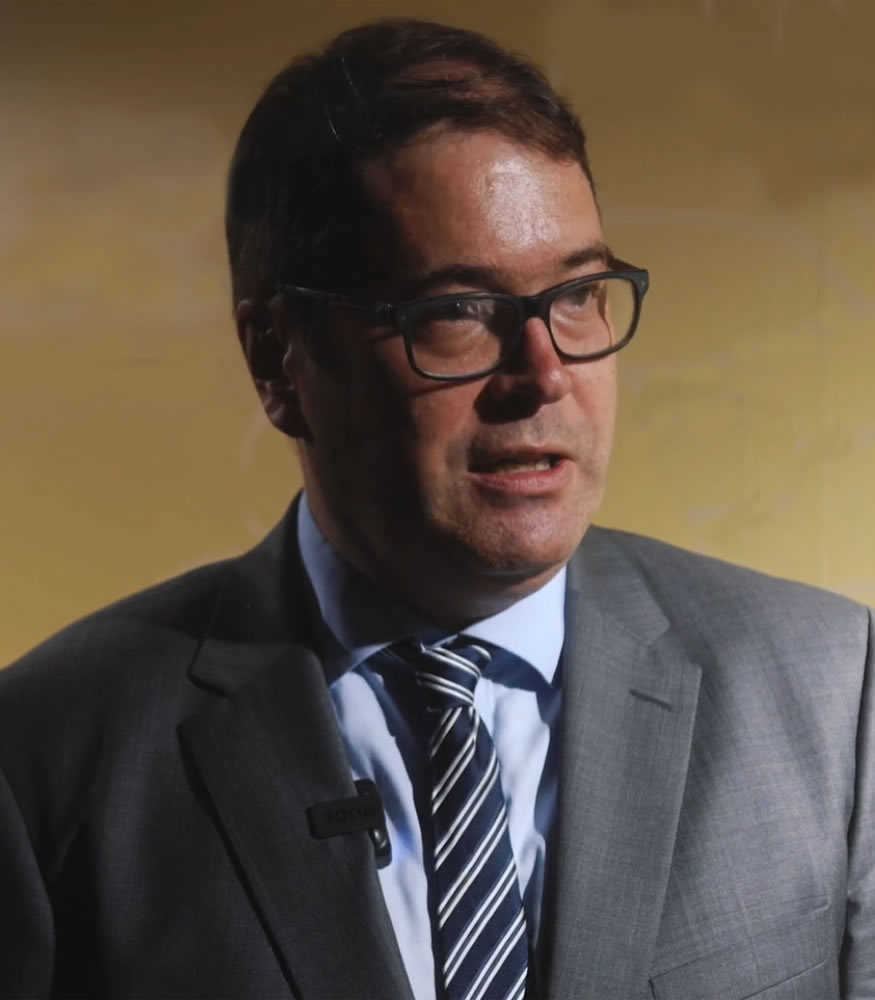
Miha Humar - Secretary
Miha Humar is a full professor at the Biotechnical Faculty of the University of Ljubljana, specializing in wood science, wood protection, and heritage science. His research focuses on the durability, modification, and performance of wood and bio-based materials in demanding environments and historical applications. He has coordinated and participated in numerous national and international research and innovation projects related to the circular economy and green transition technologies. He is serving as President of the International Research Group for Wood Protection.
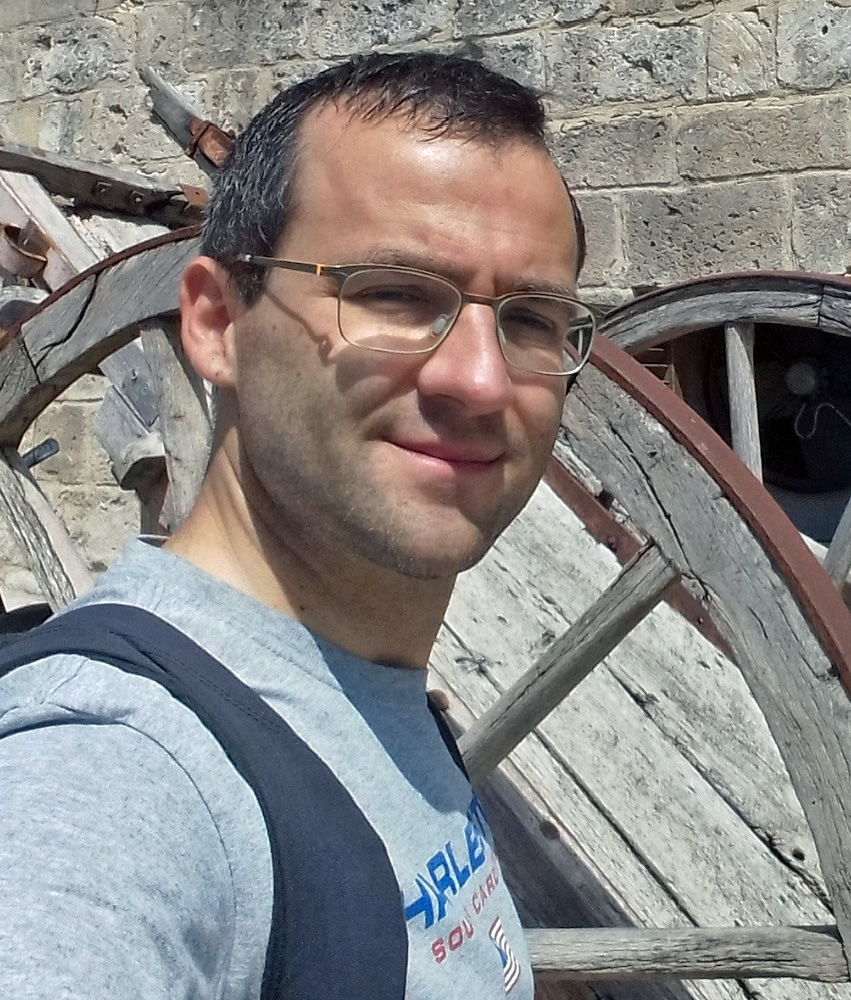
Francesco Negro
Francesco Negro is an associate professor in Wood technology at the Department of Agricultural, Forest and Food Sciences, University of Torino, Italy. He is the current Past president of SWST, International Society of Wood Science and Technology, USA. He mainly deals with the development, characterization, use and sustainability of wood and its derivatives. His latest research focused on stimuli-responsive wood products, natural durability of wood-based panels, and the effect of wood on well-being.
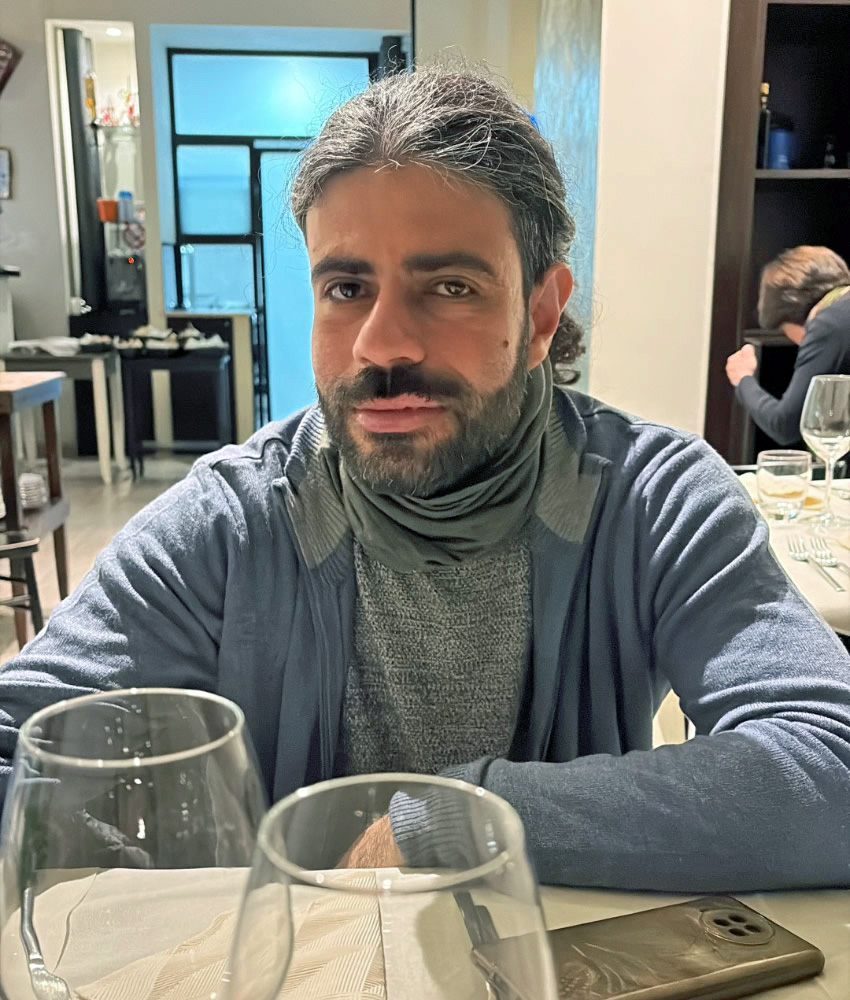
Emanuele Nigrone
Emanuele Nigrone is a Research Fellow at the Institute for BioEconomy (CNR) in Florence, Italy. He focuses on mycelium-based biomaterials and agroforestry by-products. He previously worked as a freelance forestry and researcher at the Institute for Sustainable Plant Protection. A native of Sesto Fiorentino, he holds degrees in Forestry and Environmental Sciences from the University of Florence and a mycologist certification from the University of Genoa. Passionate about nature, he enjoys gardening, mushroom cultivation, cooking, and outdoor activities, driven by curiosity, always eager to experiment and find innovative solutions.

Sabrina Palanti
Sabrina Palanti is a Senior Researcher at the Institute for BioEconomy (IBE) of the National Research Council (CNR), a position she has held since 2001. She currently heads the Laboratory of Wood Biodegradation and Preservation, where her research focuses on the natural durability of wood and wood-based materials against biological agents, including insects, fungi, and marine organisms.
Her work is centered on the development of environmentally sustainable wood protection systems. She has contributed to the advancement of chemical modification techniques, particularly through the use of siloxane- and polyamidoamine-based compounds, aimed at enhancing the biological resistance and service life of wood.
In recent years, her research has expanded toward the design and development of bio-based materials derived from fungal mycelium and residues from the agroforestry supply chain. These materials are being explored for applications in thermal insulation, packaging, furniture, and design. This interdisciplinary work has also led to collaborations with emerging artists and artisans, integrating material science with sustainable design practices

Marco Picone
Marco was born in Venice during December 1977, PhD in Environmental Sciences, currently a researcher in Ecology at Ca 'Foscari University of Venice, Department of Environmental Sciences, Informatics and Statistics.
Research interests are ecology and ecotoxicology of aquatic ecosystems. The main research fields include bioaccumulation of priority and emerging contaminants in primary producers (seagrasses and seaweeds), aquatic vertebrates (birds and fish) and terrestrial vertebrates (foxes); effects of emerging contaminants (pesticides, drugs, fragrances and UV filters) in benthic and planktonic crustaceans of estuarine and coastal ecosystems; ecology and trophic ecology of larids nesting in the humid areas of the North Adriatic; ecology of amphipods and copepods..
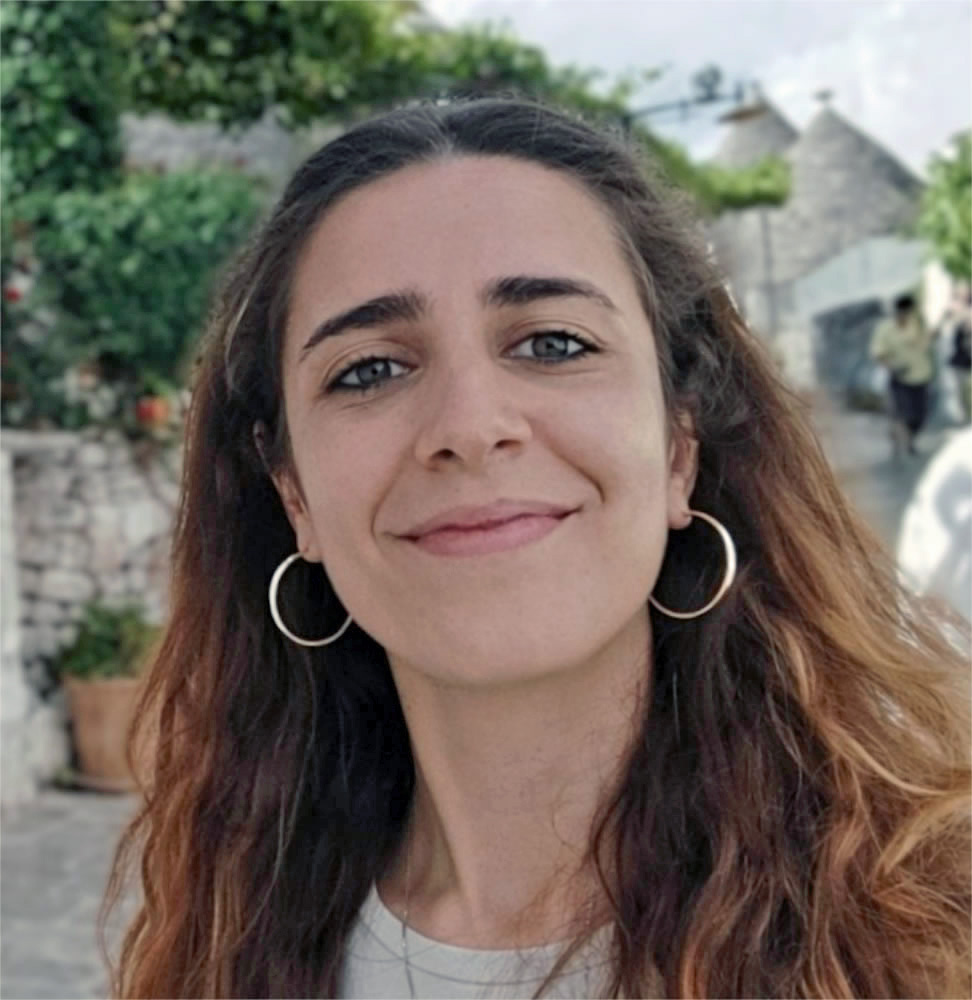
Silvana Calvano
Silvana Calvano is a PhD student in Wood technology at DISAFA, University of Torino, Italy. She is a member of SWST, International Society of Wood Science and Technology, where she serves on the Membership and Outreach committee. Her research primarily focuses on the development of smart wood-based products. Recent studies include the characterization of mycelium-based panels, the use and sustainability of wood and its derivatives, and the effect of wood on human well-being.

Ricardo de Riva
Born in Mestre in May 1996, Master Degree in Environmental Sciences, currently a PhD student in Environmental Sciences at Ca’ Foscari University of Venice, on a research a project shared with the Italian National Research Council (CNR) – Institute of Marine Sciences (ISMAR).
Research interests are applied marine ecology and zooplankton ecology. The main research is focused on integrated use of traditional and latest-generation methodologies for the study of biodiversity of marine and transitional environments zooplankton communities.
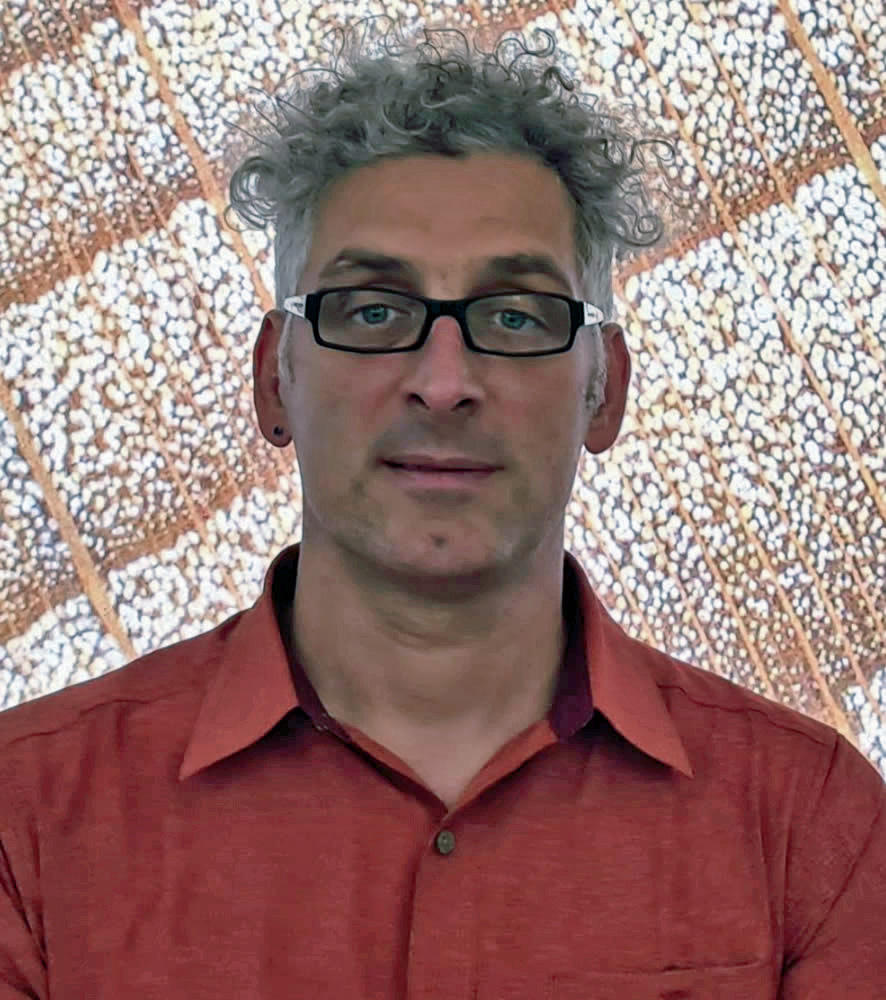
Giacomo Goli
Giacomo Goli is Professor of Wood Technology at the University of Florence. Holding dual PhDs, he teaches wood science, sustainability and design, collaborates with industry, and contributes to academic administration. His research focuses on wood properties, modification, processing, sustainability and wooden cultural heritage conservation.
Click thumbnails for enlarged images