
Field test study of CLT susceptibility to termites, with and without treatment
Gerald Presley, Jeff Morrell
March 2026
Click on thumbnail images or links for enlarged or enhanced content.
As mass timber use construction continues to grow across the United States, awareness and implementation of termite prevention and control become more urgent. Preventative measures such as application of insecticides to foundation soils are widely employed in areas where termites are found and should be used as the first method for protecting mass timber structures. Most if not all mass timber structures in North America have no chemical protection of the timber itself. Termite protection of mass timber has some unique challenges compared to other wood commodities because of the large dimensions and the fact that it is a composite. The large panel size limits the ability to pressure treat fabricated panels and pre-treatment of mass timber lamina (lumber or veneers) can affect adhesive performance.
This issue has a particular relevance in Hawaii where termites, including drywood and subterranean termites (Coptotermes), are present in abundance. This fact has led to building codes to require termite protection on all wood commodities used in structural applications. Needless to say, this requirement excludes mass timber as currently used in North America from the Hawaiian Islands. The problem is not insurmountable, but research is required to provide support for effective termite treatments in mass timber composites.
In a multi-national collaborative effort, researchers from Oregon State University (OSU) and Adelaide University are working to address this problem. A study was initiated in 2017-2018 by Jeff Morrell and Scott Noble (formerly Kaiser Path Architecture) to assess the compatibility of some common wood preservative systems used in the Hawaiian market as treatments for cross laminated timber (CLT). See more information at this link.
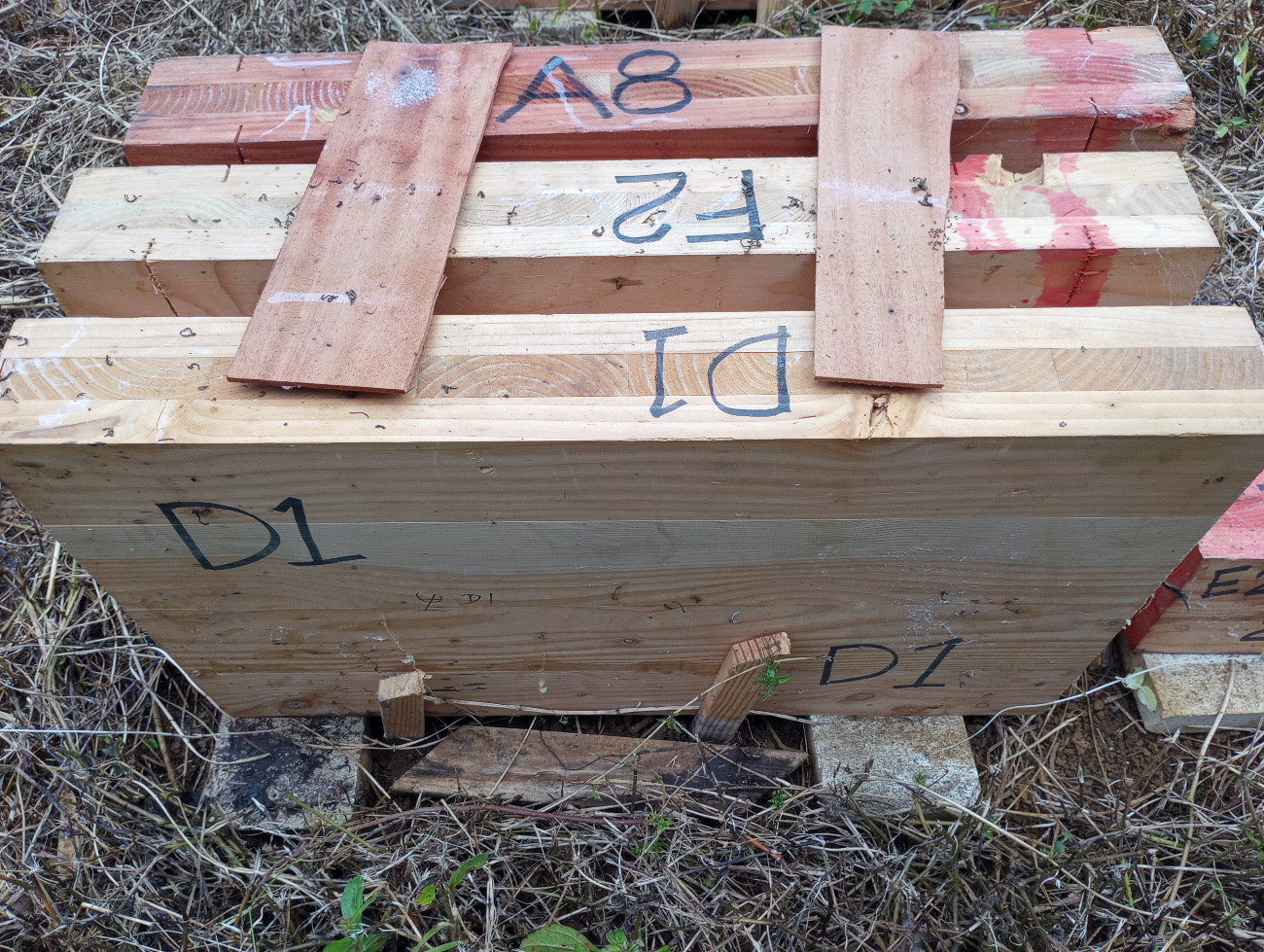
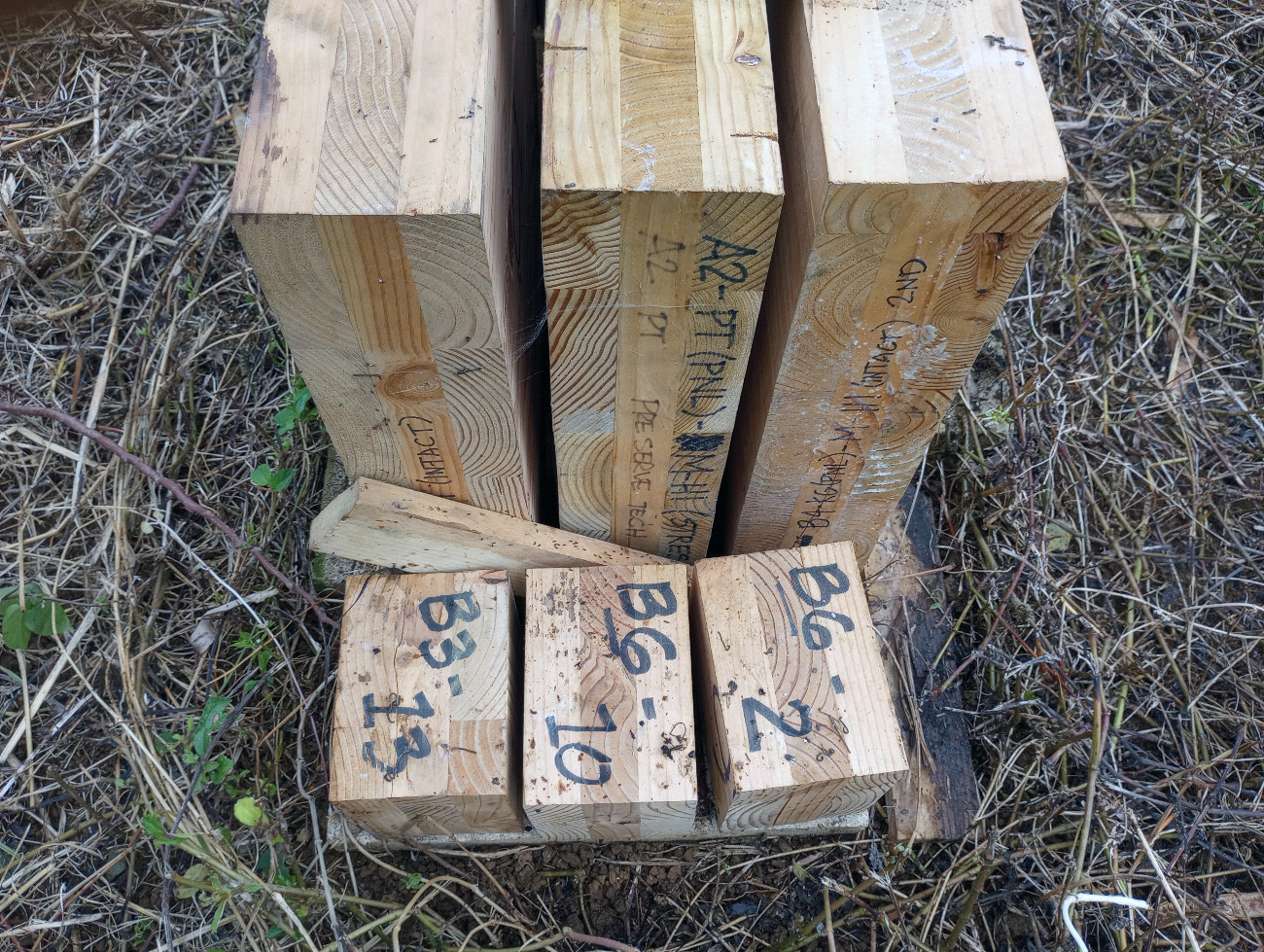
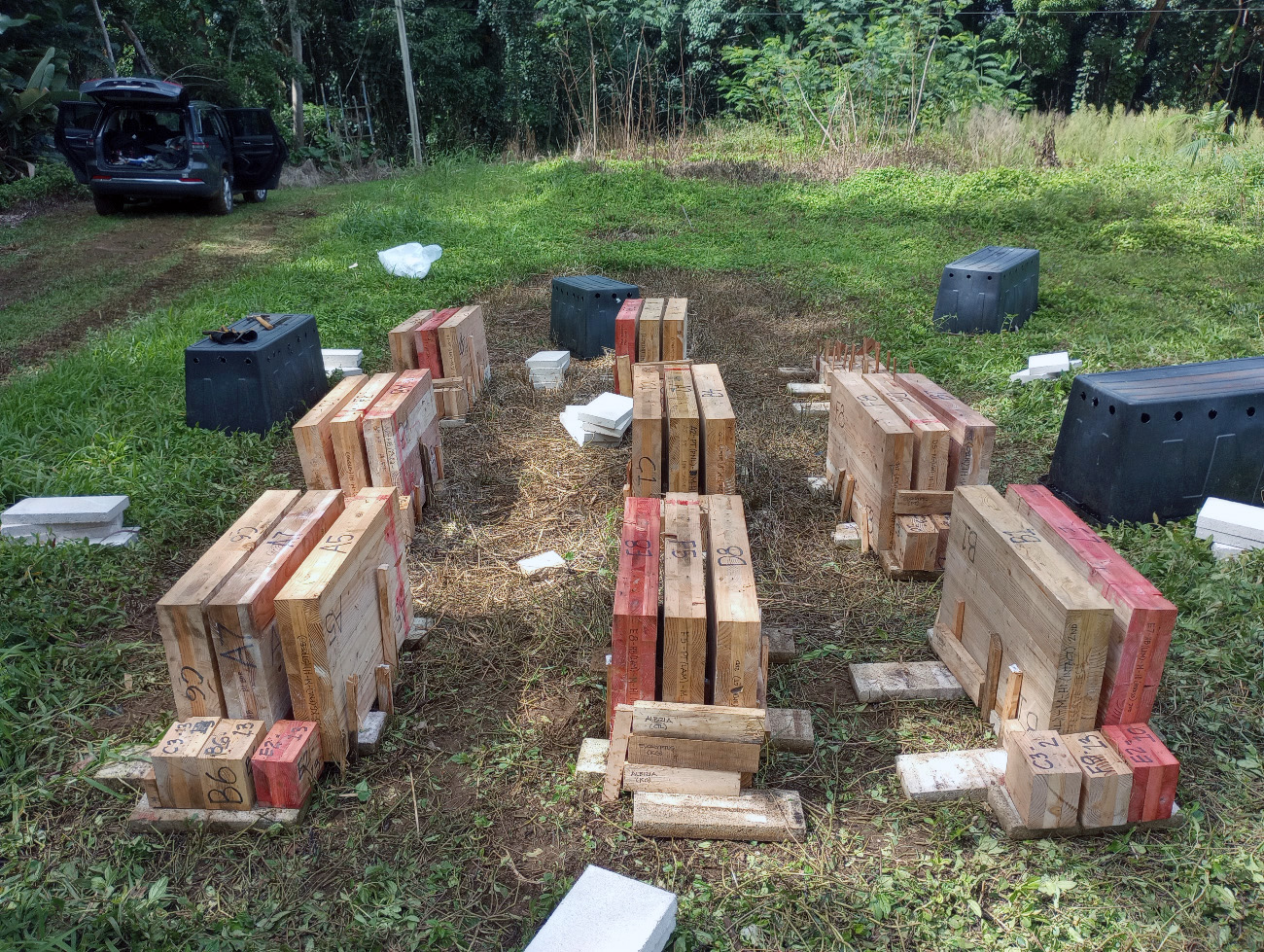
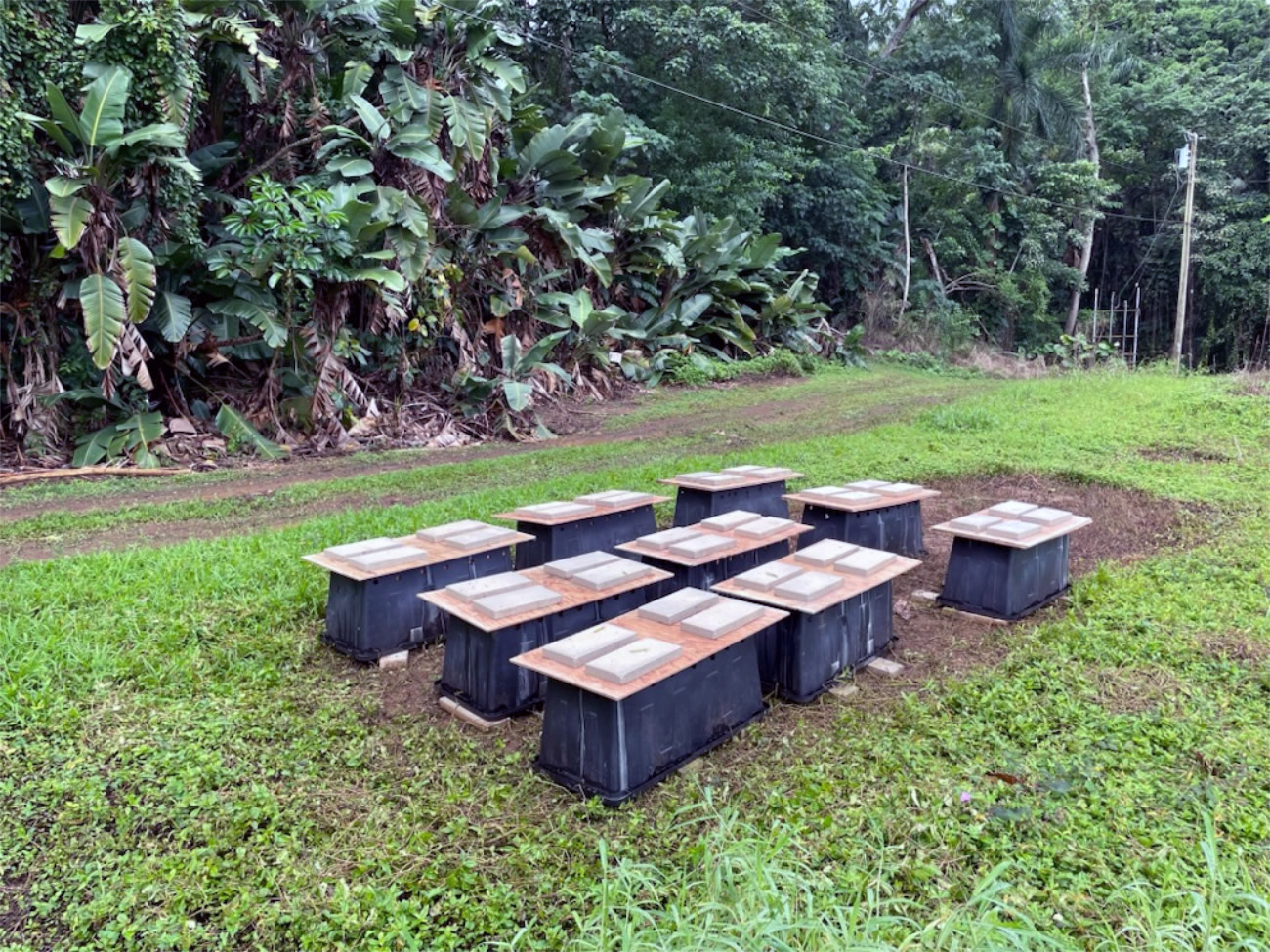
Three preservative systems were incorporated into three-ply Douglas-fir CLT:
- borate pressure treatment
- a dip treatment in a solution of sodium octaborate tetrahydrate, propiconazole, tebuconazole, and imidacloprid
- pressure treatment with an organic biocide preservative system containing propiconazole, tebuconazole, imidacloprid, permethrin, and iodopropynyl butyl carbamate and a proprietary penetrant system.
The preservatives were incorporated in the CLT test panels in two different ways, either pre-treatment of the lumber before layup or post-treatment of smaller 18 x 30 inch test panels after layup. Two different structural adhesive systems, melamine formaldehyde and polyurethane, were used in the panel manufacturing process which was done at the TallWood Design Institute at OSU. Lumber treated before layup was planed prior, resulting in a considerable loss of the original treatment during the manufacturing process. Other variables included edge treating the borate treated panels with a 10% DOT solution and physically damaging some panels to simulate on-site damage that is commonly observed at construction sites.
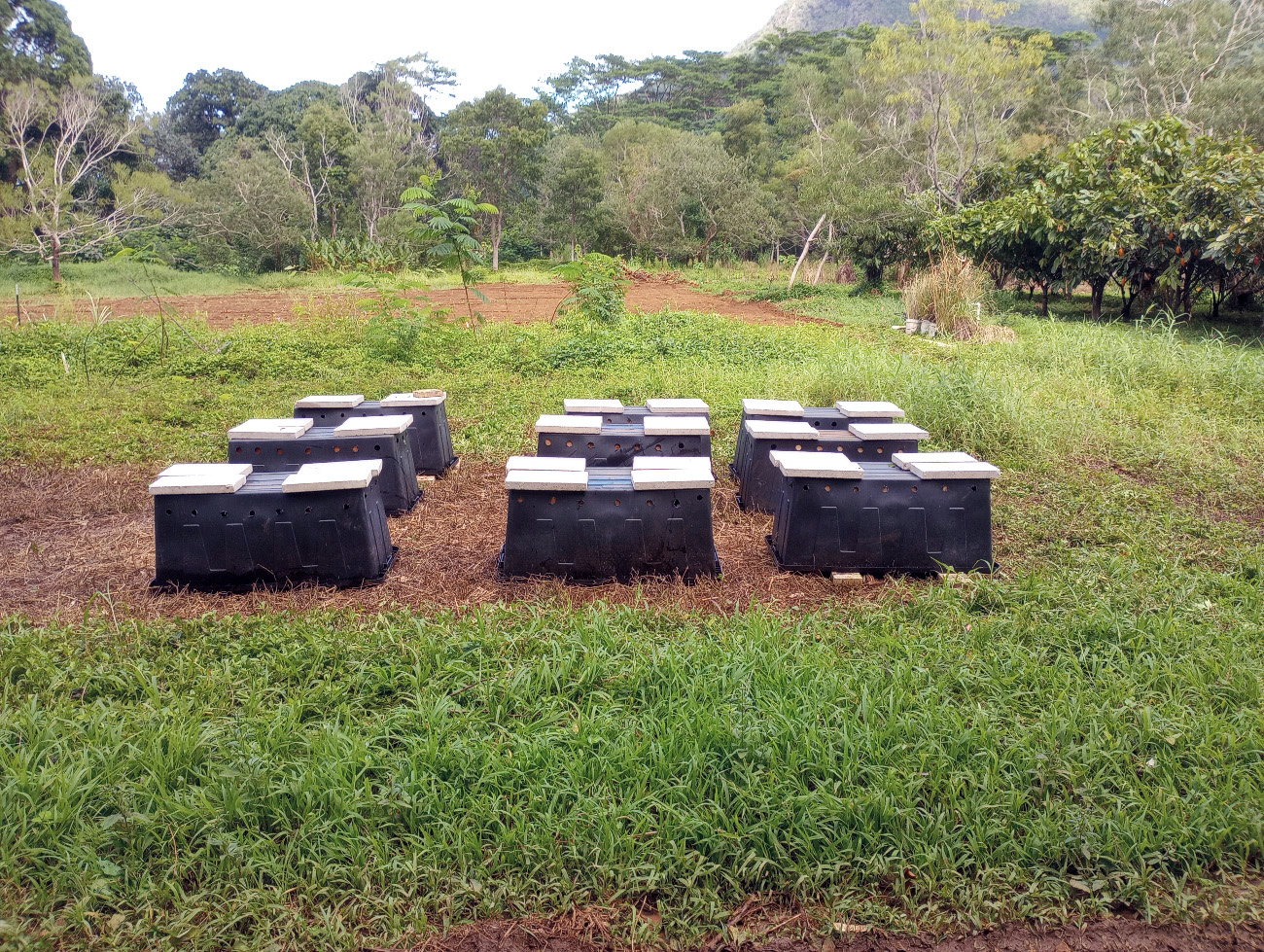
A subset of the 18 x 30 inch test panels manufactured for this study were exposed in scaled-up termite arrays on the Island of Oahu in May of 2021 near Maunawili. The samples were exposed for almost 5 years with no sign of termite attack. Then on a visit to the site in March 2026, magic had begun! The untreated controls were well infested.

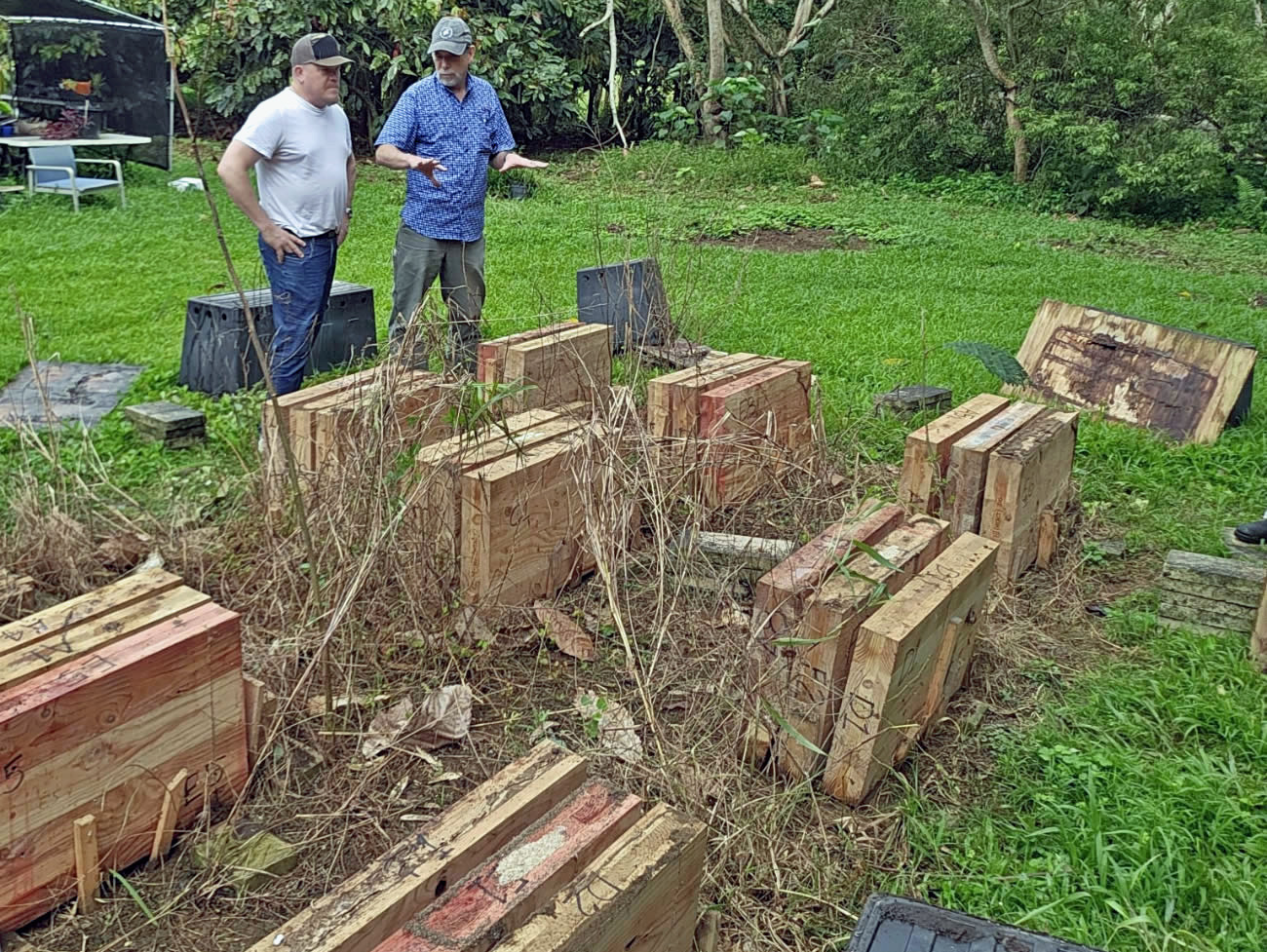
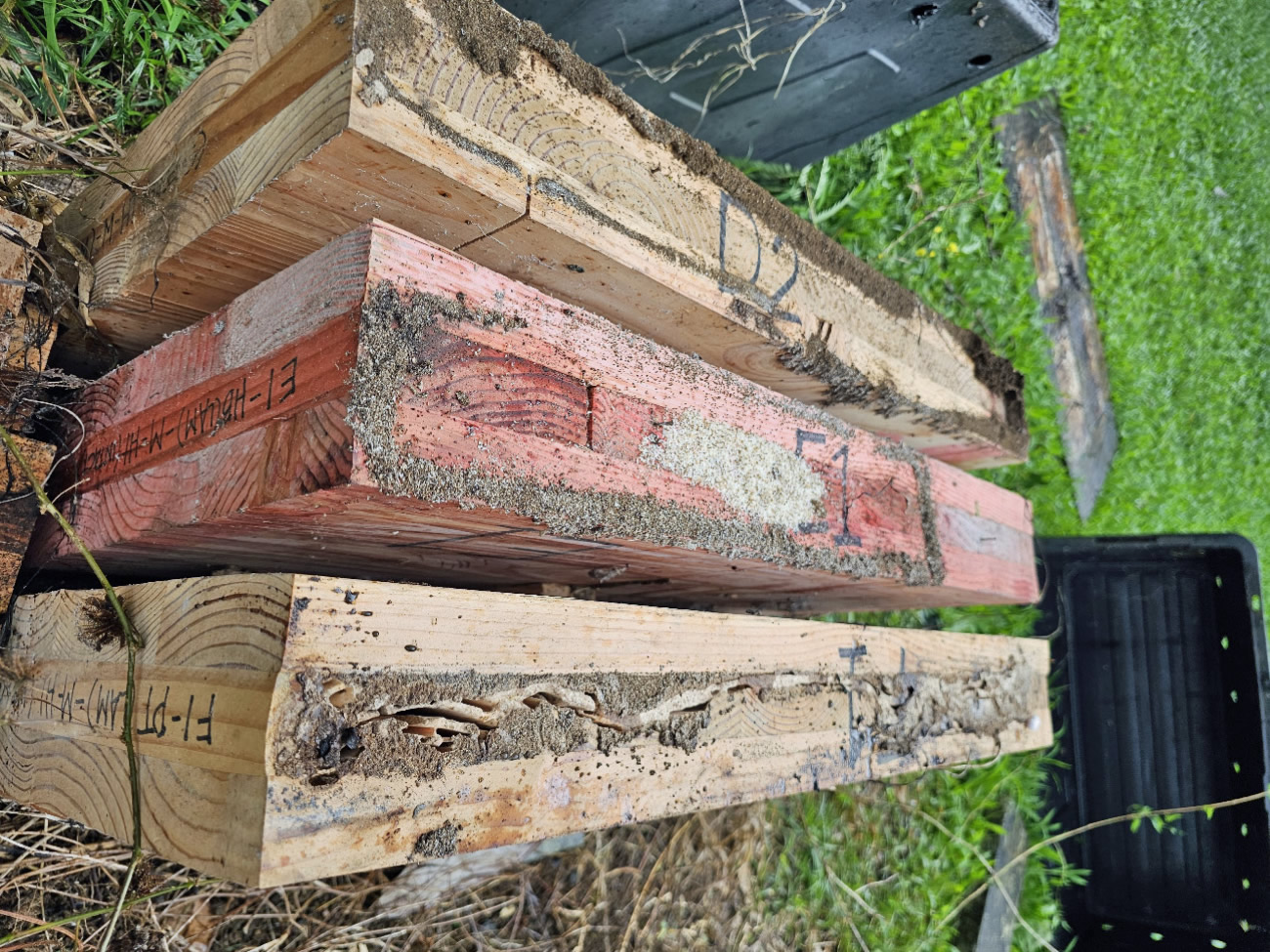
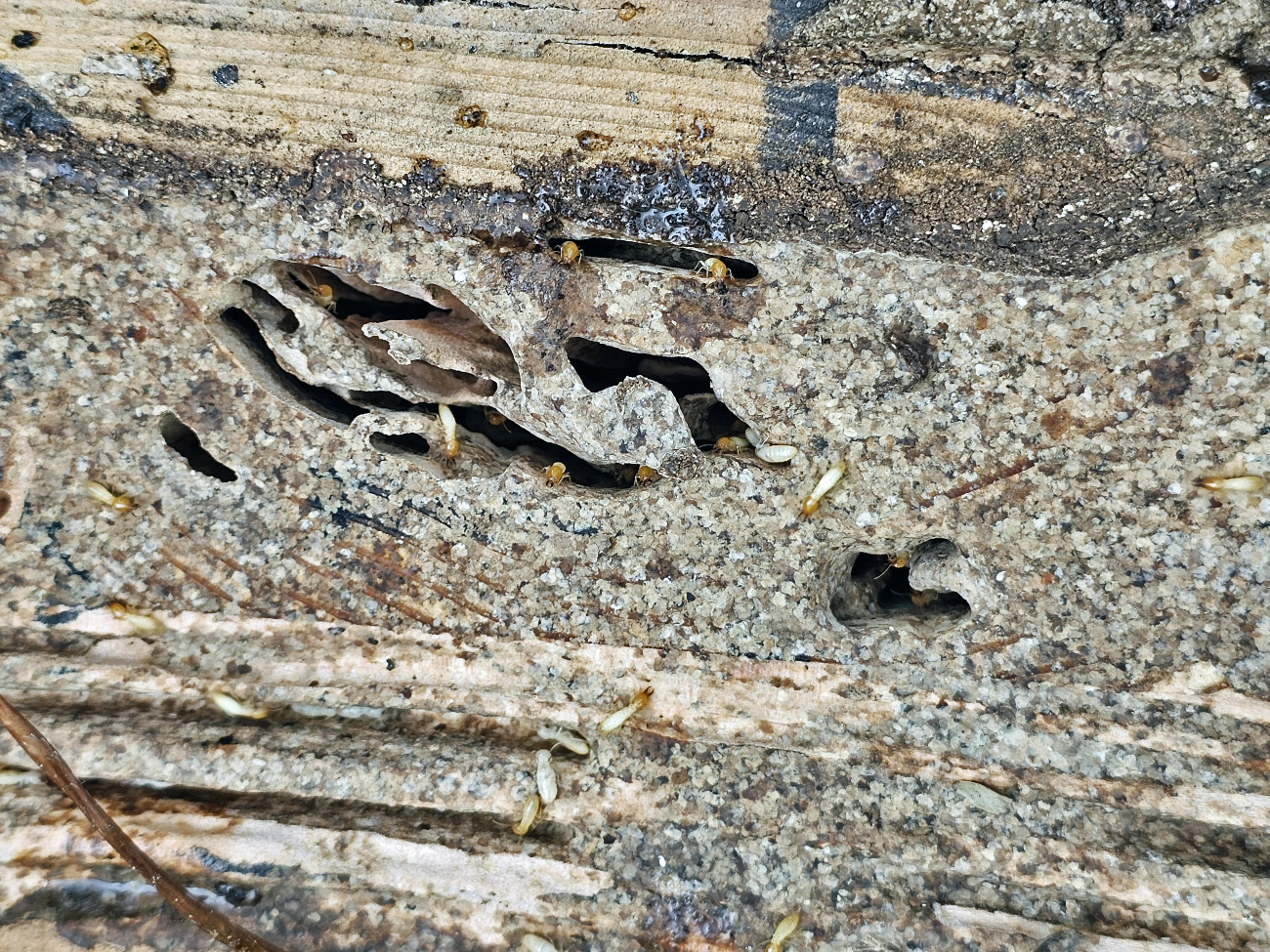
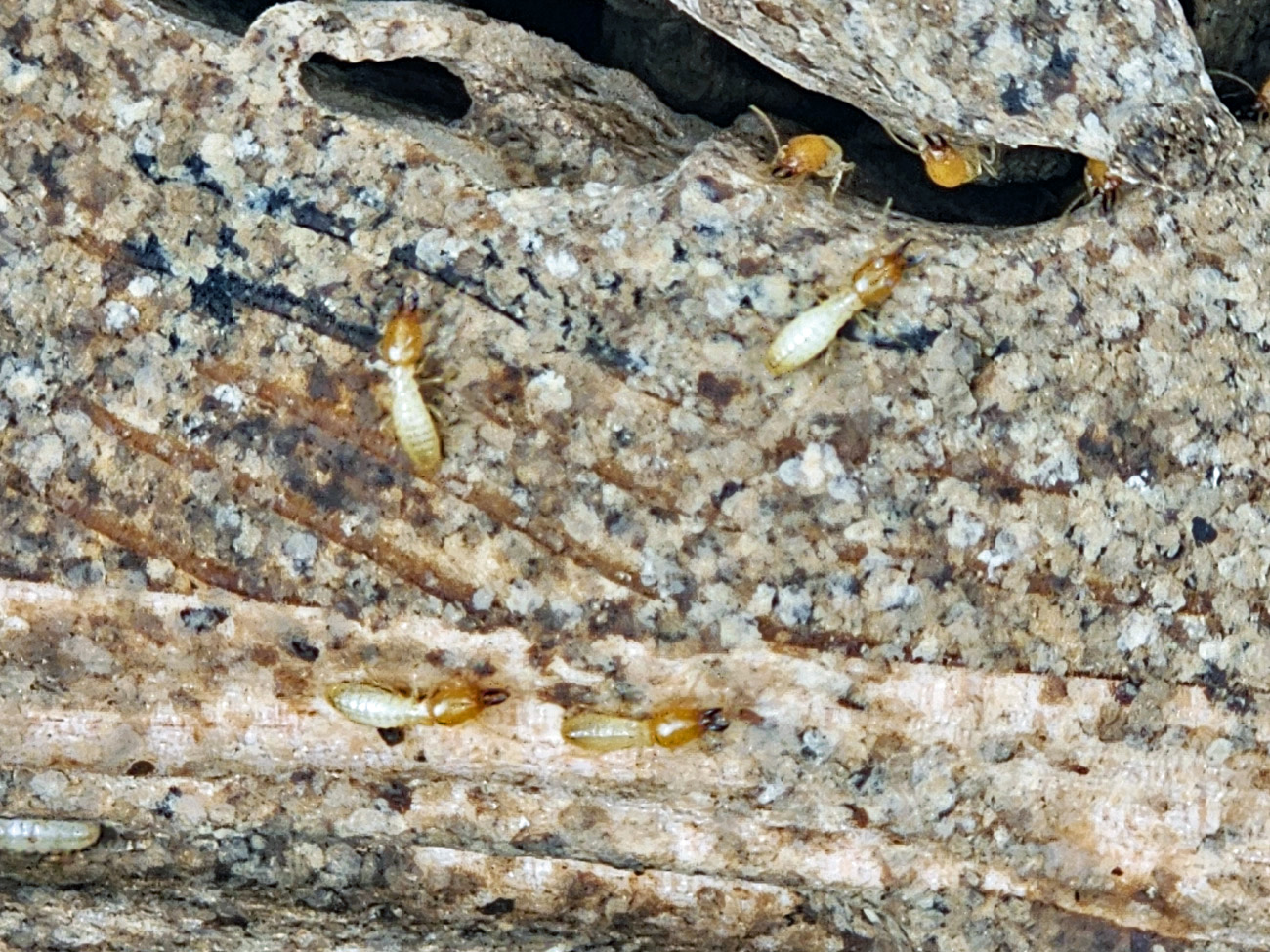
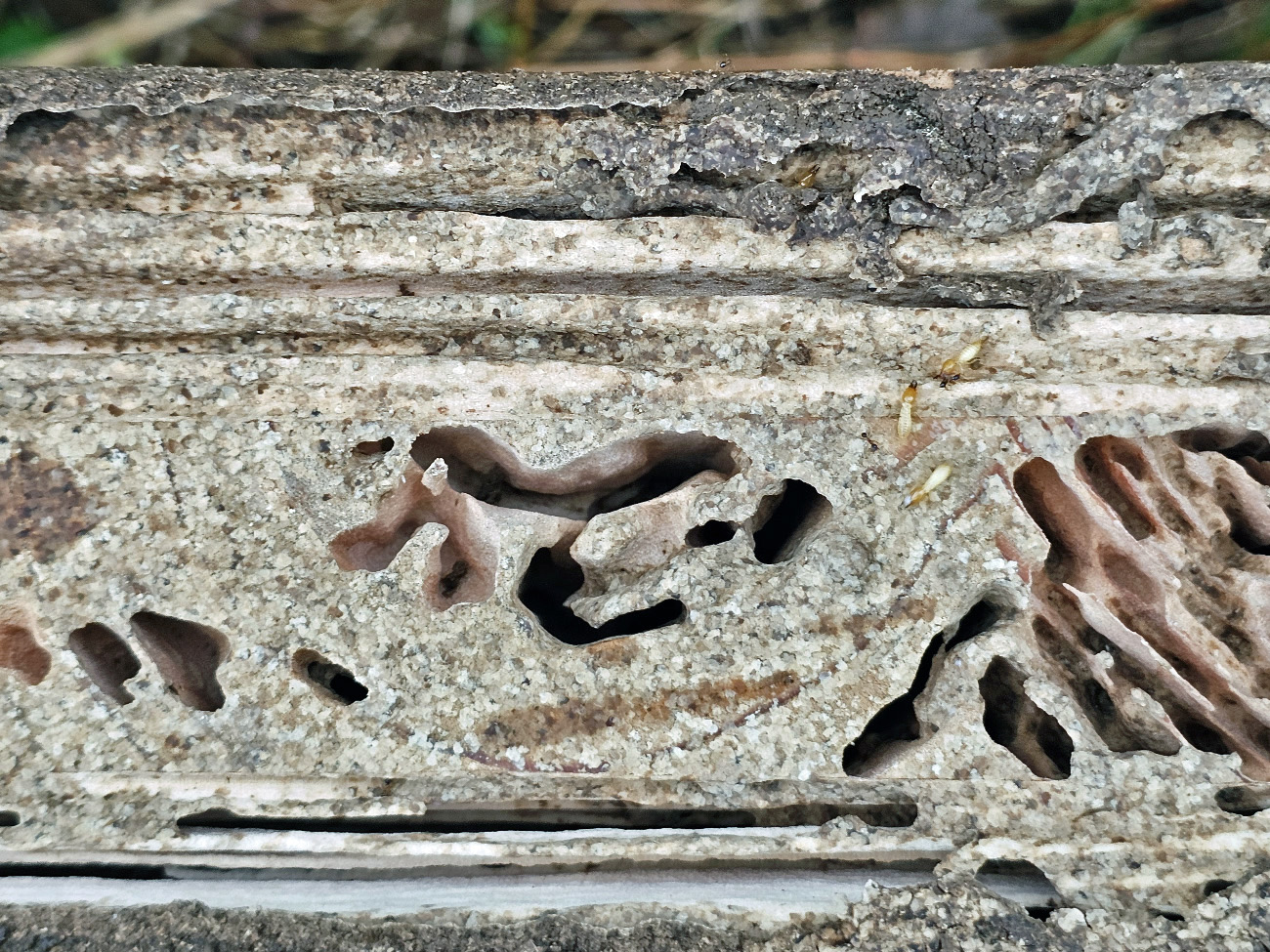
This study will continue to be assessed and will provide useful information for what is an effective means of incorporating termiticidal treatments into mass timber panels..
If you have any questions regarding this research feel free to email either Gerald Presley or Jeff Morrell.